Threat Intelligence: Enhancing Business Outcomes - Recorded Future
In the digital economy, staying ahead of security risks is a baseline requirement for business growth. As organisations scale their digital footprints, security teams face the challenge of evolving their defensive strategies to keep pace with a highly organised threat landscape.
A primary driver of this shift is Threat Intelligence (TI). When integrated correctly, TI transitions a Security Operations Centre (SOC) from a reactive, firefighting posture to an optimised, data-driven defence.
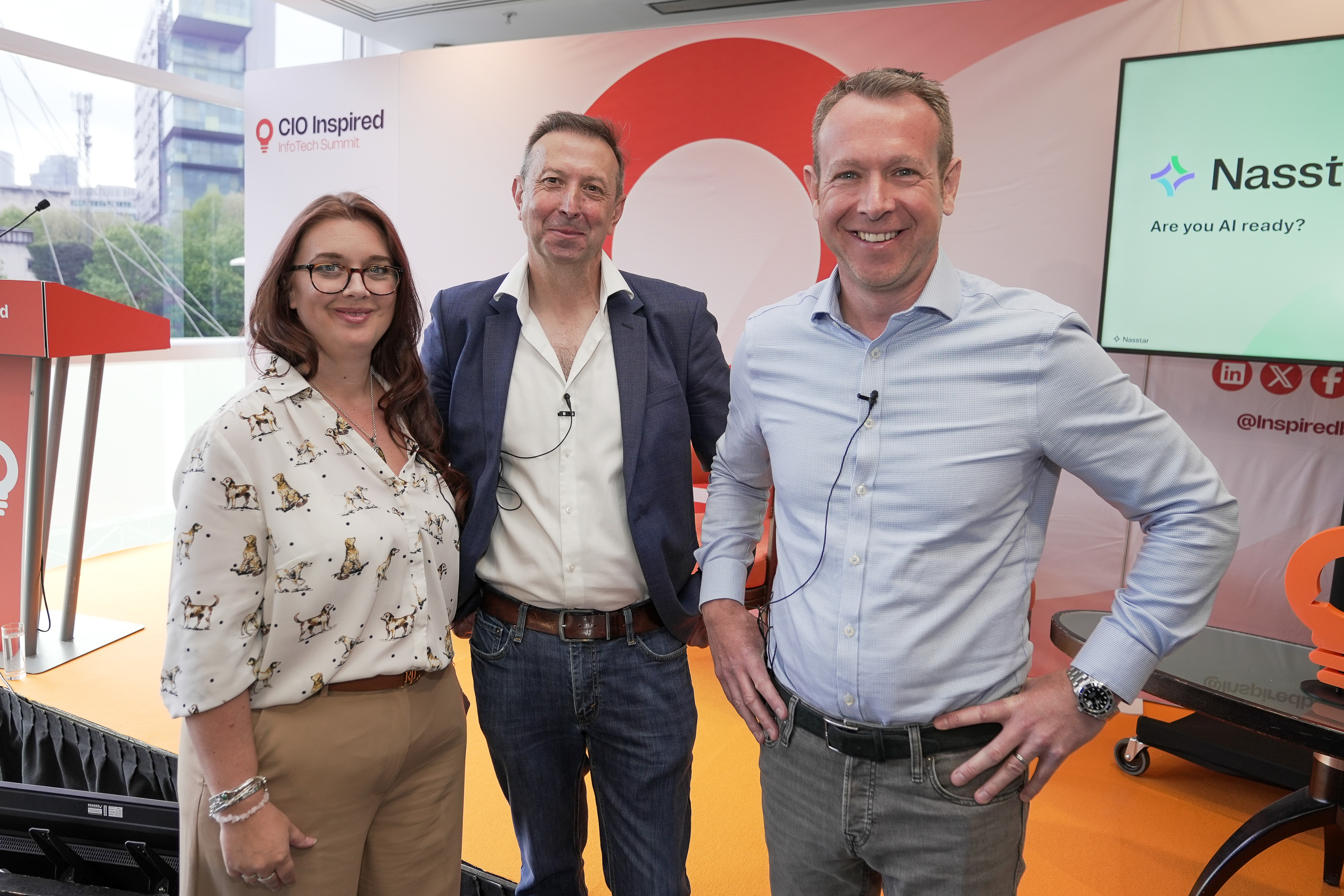
At the recent CISO Inspired Summit, Lee Rendell from Recorded Future delivered a baseline assessment of how threat intelligence has shifted, why modern tech stacks require it, and how to articulate its concrete value to business stakeholders.
The Scale of Modern Malware Production
To understand the necessity of threat intelligence, it is useful to look at the statistical trajectory of malware volume over the last few decades. The sheer velocity of modern cyber threats has moved past what manual human analysis can sustain.
- 1994: Antivirus vendors processed roughly one new virus per hour, using physical floppy disks to distribute updates.
- 2006: Volume increased to one threat per minute, marking the early adoption of machine learning and heuristic algorithms.
- 2011: Threats accelerated to one per second, making manual signature writing functionally obsolete.
- Today: The industry average sits at 1.1 to 1.2 million threats per day, with approximately 500,000 of those being entirely new, unique variants.
Because legacy, signature-based tools cannot keep up with this volume alone, enterprise defence requires an automated layer of real-time contextual intelligence.
The Commercialisation of the Dark Web Ecosystem
Cybercrime operates as a highly sophisticated, multi-billion-dollar commercial market. The modern ransomware ecosystem completely mirrors the legitimate corporate enterprise world, utilising specialised initial access brokers, developer networks, affiliate distributors, and dedicated customer support training programmes.
The structural resilience of this market was clear following the law enforcement disruption of the major ransomware group LockBit. While the operation successfully seized the group's infrastructure, the subsequent leak of their source code resulted in roughly 50 new offshoot groups emerging almost immediately using variants of the software.
Enterprise networks face a distinct pyramid of risk:
- The 80/20 Split of Cyber Risk: 80% of inbound activity consists of traditional cybercrime, automated, untargeted phishing campaigns and basic malware. Standard firewalls and endpoint security tools are designed to handle these comfortably.
- The Targeted 20%: The remaining 20% consists of advanced, targeted attacks. These actors use "living off the land" techniques, deploying legitimate, native corporate software against the network to elevate privileges, map internal infrastructure, and quietly exfiltrate high-value assets.
The Architecture of a Modern SOC
Traditional SOC setups relied on disconnected point-products that required high levels of manual triage and threat hunting. In the current landscape, that model leads directly to analyst fatigue and missed critical alerts.
Modern security teams are adopting highly integrated architectures that combine machine learning and automation to filter out background noise. Threat intelligence acts as the central data pivot for this ecosystem.
By serving as a central reference point, TI enables two core capabilities:
- Risk-Based Patch Prioritisation: Instead of patching vulnerabilities indiscriminately, TI highlights the specific bugs that are actively being weaponised by malware in the wild.
- Behavioural Tracking via IOAs: Indicators of Compromise (IOCs) like file hashes or IP addresses change constantly. Modern TI focuses heavily on Indicators of Attack (IOAs), the specific behavioural methodologies and tactical "calling cards" of threat actors. This behavioural profiling allows analysts to detect sophisticated campaigns even when attackers deploy entirely new infrastructure.
Mapping Your Strategy: The Three Tiers of Threat Intelligence
An effective intelligence strategy requires matching data ingestion to organisational maturity. Rather than viewing intelligence as a single feed, successful security teams break TI down into three distinct operational tiers, each serving a specific audience within the business.
1. Tactical Intelligence
This tier focuses entirely on machine-to-machine data. It consists of high-volume, real-time technical data feeds, such as blacklists, malicious URLs, IP addresses, and automated sandbox verdicts. The primary audience here isn't human analysts; instead, this data feeds directly into your security orchestration tools and automated defence infrastructure to block known threats at the perimeter.
2. Operational Intelligence
Operational intelligence shifts the focus from simple technical indicators to human methodology. It analyses attacker tactics, techniques, and procedures (TTPs) to understand how specific groups operate. This tier provides the context needed by SOC analysts and incident response teams to build proactive threat-hunting playbooks and speed up daily triage workflows.
3. Strategic Intelligence
The highest tier moves completely outside of network monitoring to look at macro business risk. Strategic intelligence delivers high-level analysis of geopolitical risks, industry-specific targeting trends, and shifting threat actor motivations. This non-technical, big-picture analysis is designed specifically for CISOs, CIOs, and executive board members to guide long-term security budgeting and corporate risk planning.
Quantifying the Business Return on TI
Cybersecurity has historically been viewed strictly as a cost centre. Because threat intelligence delivers informational data rather than a binary "block" action, proving its return on investment requires tracking metrics tied directly to business continuity:
- Mean Time to Detect (MTTD): Measuring the reduction in time it takes an organisation to identify anomalous, hostile patterns within the network.
- Mean Time to Respond (MTTR): Ensuring incident response teams have the immediate context needed to scope, hunt, and neutralise an incident before it escalates.
- Business-Critical Function (BCF) Resilience: Aligning security performance directly with disaster recovery metrics, ensuring the enterprise stays safely within its Maximum Tolerable Downtime (MTD) and meets its Recovery Time Objectives (RTO).
Implementing a Phased, Tailored Rollout
A common implementation error is purchasing premium, high-volume threat intelligence feeds before internal tooling or personnel are mature enough to utilise them. Without centralised logging (SIEM) or automated orchestration (SOAR), raw intelligence feeds quickly turn into expensive data noise.
The optimal strategy is a phased approach based on current organisational maturity. Teams can begin by ingesting trusted, open-source, or government-backed resources, such as the National Cyber Security Centre (NCSC) feeds or verified community databases like AbuseIPDB.
By starting with targeted external data, integrating it into existing workflows, and scaling the SOC architecture organically, organizations can successfully turn raw data into a measurable business enabler.to learn more about this.
To learn more about Threat Intelligence: View our upcoming event calendar.
https://www.inspiredbusinessmedia.com/events-calendar/summit