Feedzai: AI in Fraud: What's Real, What's Risky, What's Essential

Discussion Points
Network Intelligence vs. Isolated Detection
Fraud is no longer a single-institution problem. Criminal networks operate across banks, channels, and borders.
- Is single-bank data enough to compete?
- How consortium intelligence, shared signals, and federated approaches can improve detection without compromising data privacy.
- Whether collaboration is becoming a strategic necessity rather than a competitive risk.
The key question: can you meaningfully reduce fraud in isolation?
AI Governance: Performance, Explainability & Regulatory Pressure
As AI becomes central to fraud decisioning, scrutiny increases.
- Balancing model performance with transparency and explainability.
- Managing regulatory expectations in the UK and Europe.
- Embedding AI into fraud operations without creating operational or reputational exposure.
AI isn’t just a detection tool — it’s a board-level risk issue.
Preparing for AI-Enabled & Agentic Fraud
Fraudsters are now using AI to scale and personalise attacks.
- Deepfakes, synthetic identity evolution, and automated social engineering.
- Machine-speed fraud versus human-speed controls.
- Building adaptive models that evolve as quickly as the threat landscape.
The uncomfortable reality: static models are being tested by dynamic adversaries.
AI in Fraud: What's Real, What's Risky, What's Essential
AI has moved from an innovation project to core fraud infrastructure. Yet most banks still rely on fragmented data, legacy decisioning layers, and models that degrade faster than they adapt — while attackers are already operating with coordinated, AI-driven, cross-channel strategies.
This roundtable cuts through the noise. We’ll focus on where AI is genuinely reducing fraud losses today, where it’s creating blind spots through poor governance or overconfidence, and what capabilities banks need as fraud becomes faster, more connected, and increasingly automated.
For senior fraud leaders, the discussion will centre on reducing loss without increasing friction, managing regulatory pressure, and closing the gap between how quickly attackers evolve and how slowly institutions respond.

Agenda
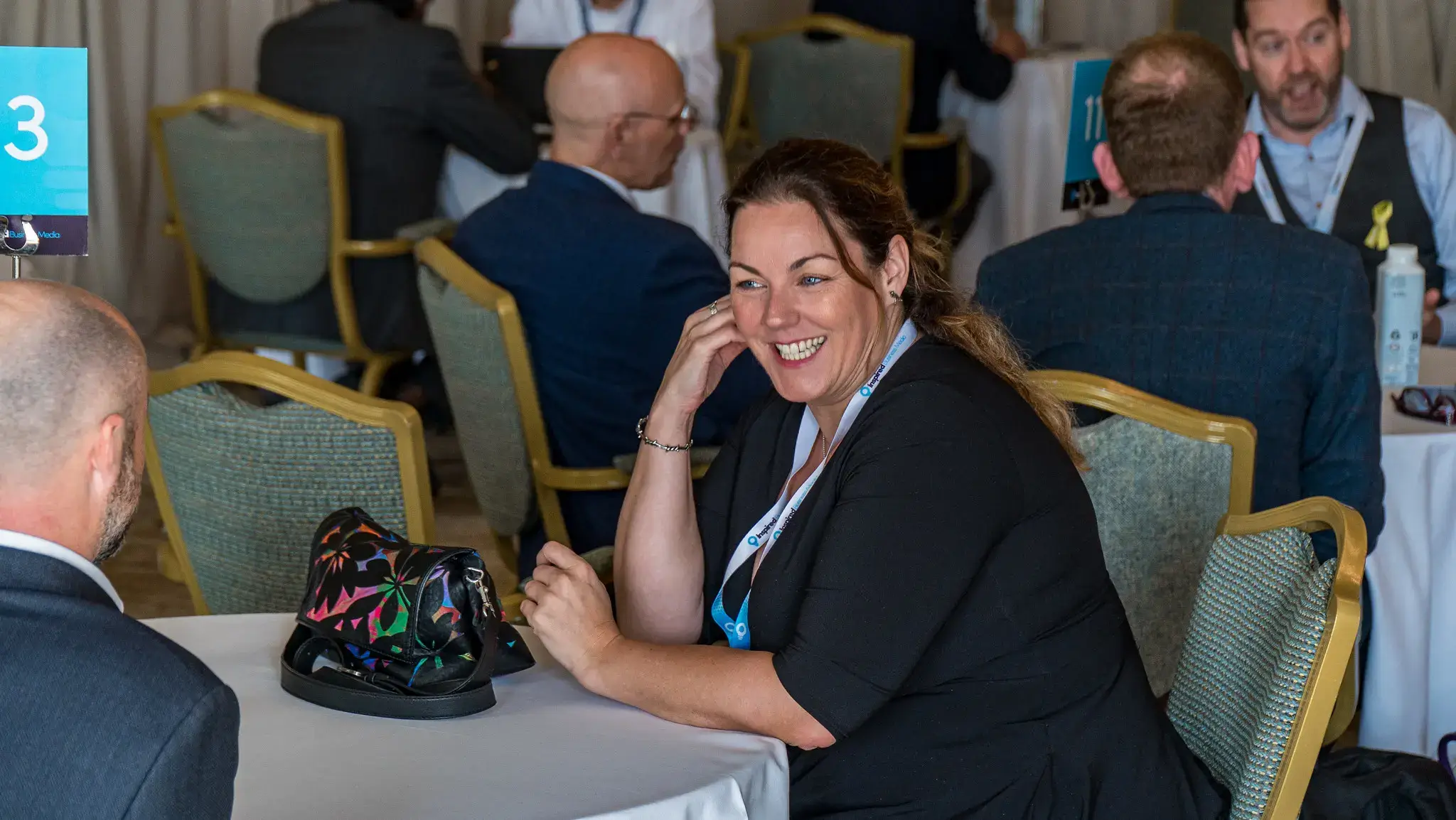
Welcomed attendees are integrated into a curated networking space, fostering direct interactions for ice-breaking and relationship-building before engaging in substantive, collaborative discussions.
Shifting to a sit-down discussion with drinks, this promotes open, thoughtful dialogue on a set topic agenda, aimed at fostering collaboration and deepening connections in a relaxed, supportive setting.
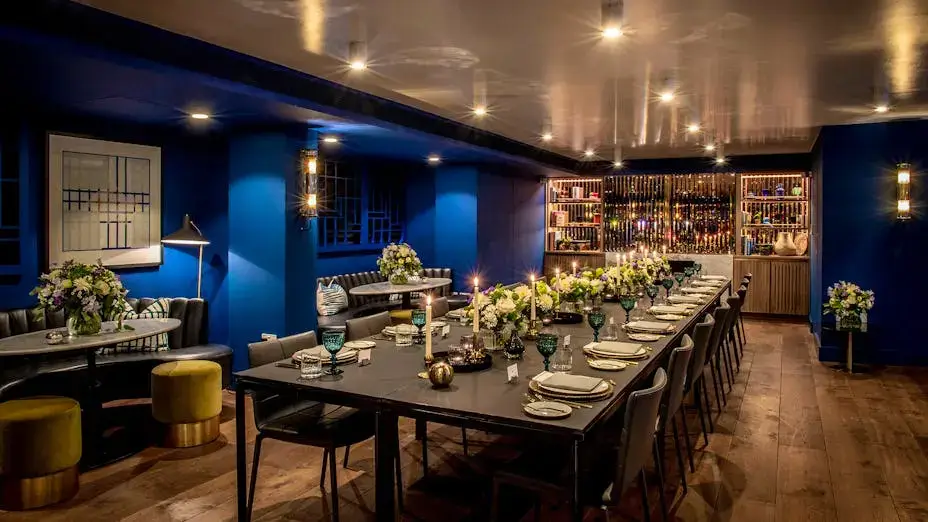
The evening culminates with a luxury meal, offering exquisite cuisine in an elegant setting, enhancing networking opportunities, and providing a memorable experience that strengthens professional bonds among attendees.
The finale features a wrap-up and Q&A session, where sponsors address the roundtable, followed by drinks and networking, enabling direct engagement and planning of actionable next steps in a collaborative environment.
About the Hosts
Feedzai is a global leader in AI-native financial crime prevention, partnering with many of the world’s leading banks to protect billions of transactions in real time. Its RiskOps platform combines advanced machine learning, network intelligence, and orchestration capabilities to help institutions detect and prevent fraud and financial crime while reducing customer friction.
By enabling secure data collaboration and adaptive decisioning at scale, Feedzai supports banks in moving from reactive fraud management to proactive, intelligence-driven prevention.
Feedzai is hosting this private dinner roundtable to facilitate open, peer-level discussion among senior fraud executives on the strategic decisions shaping the future of AI in fraud.
Why Attend?
Exclusive Networking
Insightful Discussions
Tailored Content
Strategic Takeaways
Venue Information
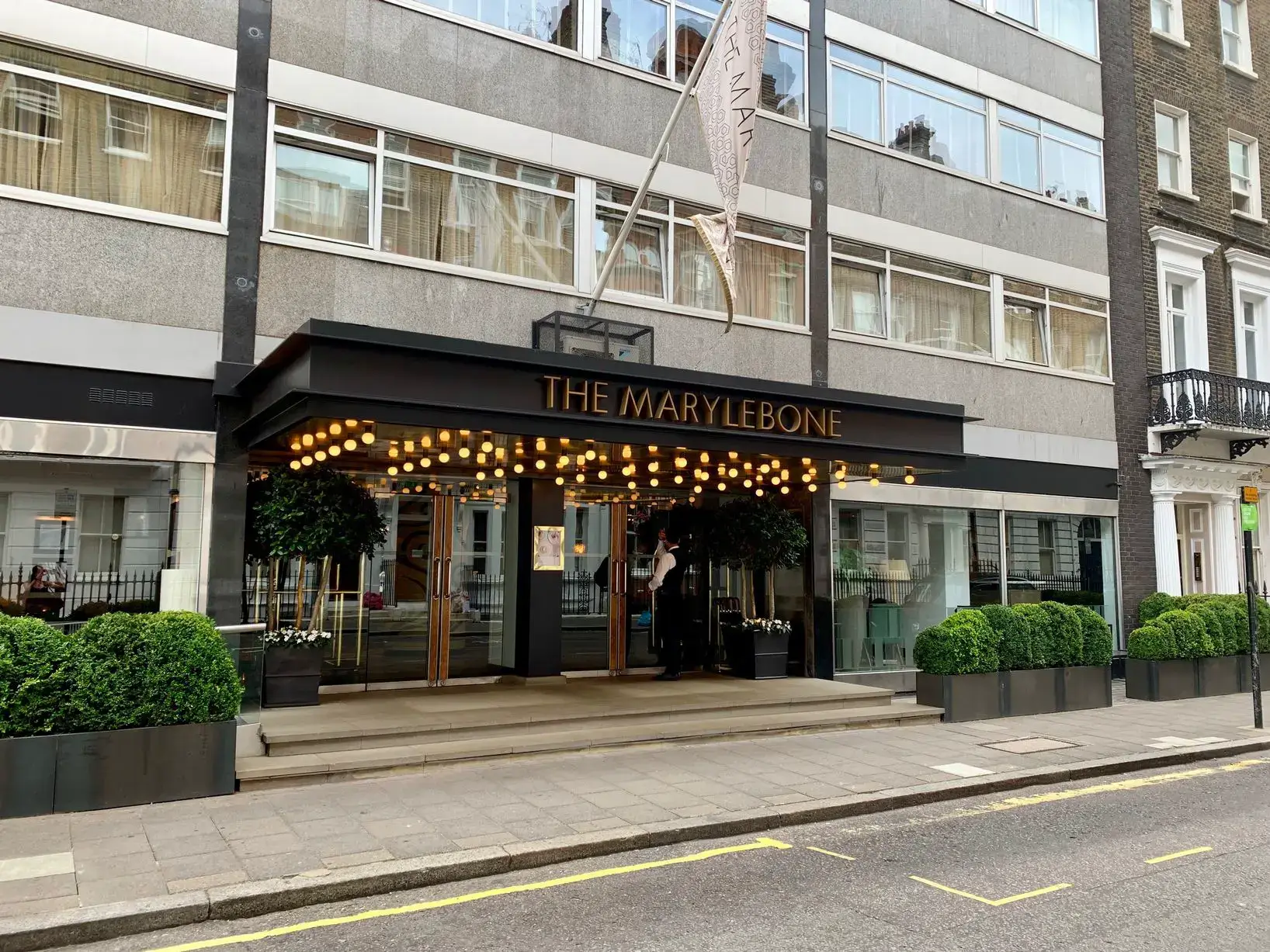
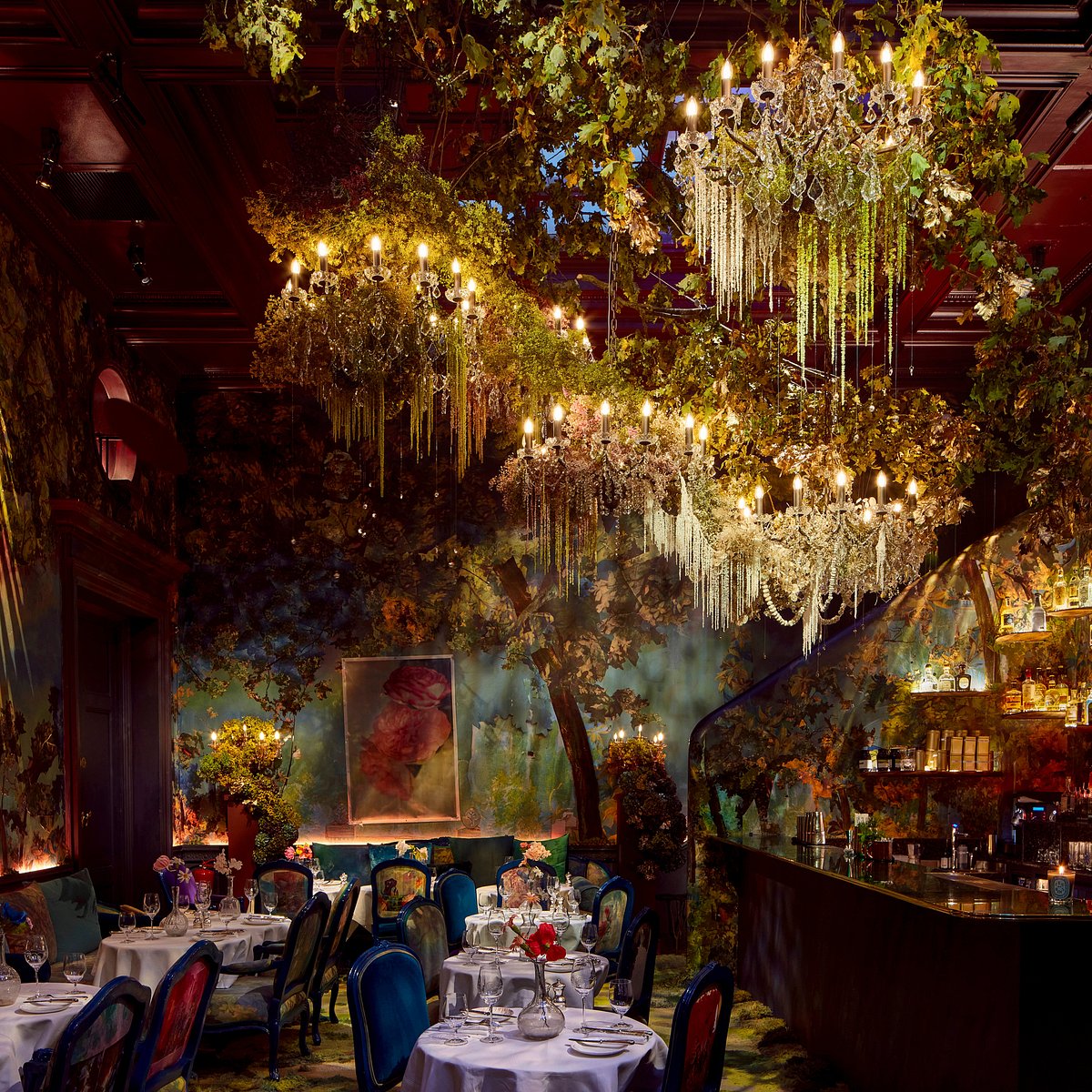
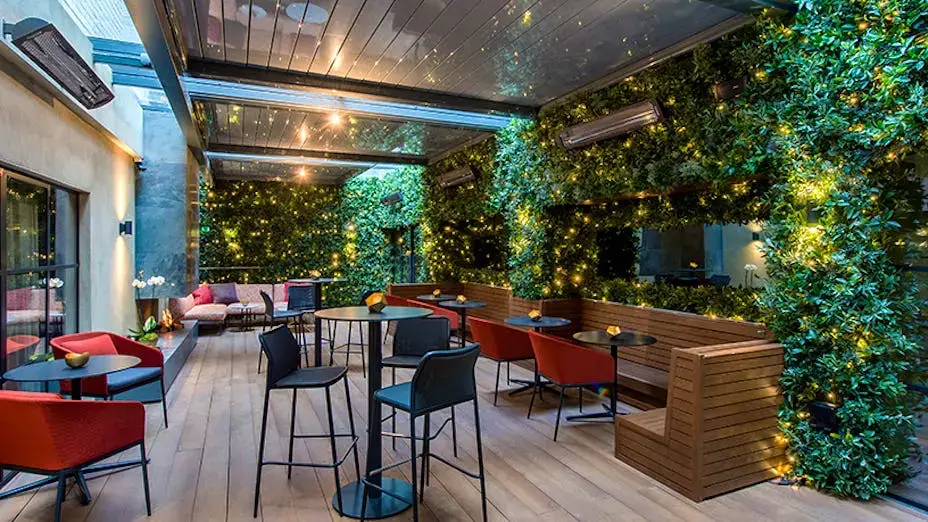
Situated in the heart of Marylebone Village, this elegant venue offers a refined and intimate setting for our exclusive event.
Attendees and sponsors will enjoy a sophisticated dining experience in a private room, designed to foster meaningful conversations and connections. The Marylebone Hotel is renowned for its exquisite cuisine, crafted by top chefs to provide a memorable culinary journey.
The hotel's chic, contemporary decor, combined with exceptional service, ensures a seamless and enjoyable evening. Join us at The Marylebone Hotel for a roundtable dinner that blends culinary excellence, elegant ambiance, and the vibrant charm of central London.